


Shadow Library's Audacious Claim: Backing Up Spotify – All 300TB of Musical Heritage?
In the ever-evolving world of digital media, where streaming giants like Spotify reign supreme, a shadowy corner of the internet has just dropped a bombshell. Anna's Archive, self-proclaimed as the world's largest shadow library, announced that they've "backed up" Spotify's entire music library – or at least a staggering 300TB worth of it. This isn't your average data dump; it's a meticulously scraped collection of metadata and audio files that covers nearly all of what people actually listen to on the platform. As someone who's been following the intersections of technology, piracy, and cultural preservation for years, this story hits like a perfectly timed bass drop. It's equal parts thrilling, controversial, and a stark reminder of how fragile our digital ecosystems really are.
Let me set the scene. It's December 2025, and the music industry is already grappling with AI-generated tunes, shrinking royalties, and the endless churn of algorithms dictating what goes viral. Enter Anna's Archive, a nonprofit project that's no stranger to controversy. For those unfamiliar, shadow libraries are underground repositories that provide free access to copyrighted materials, often justified under the banner of preservation and open knowledge. Think Sci-Hub for academic papers or LibGen for books – platforms that skirt (or outright ignore) copyright laws to make information accessible to all. Anna's Archive has built its reputation on archiving millions of books, journals, and now, apparently, music. They've previously tangled with giants like Google, which removed hundreds of millions of links to their domains due to copyright complaints. But this Spotify move? It's their boldest yet, expanding from text to tunes and potentially reshaping how we think about music ownership in the streaming era.
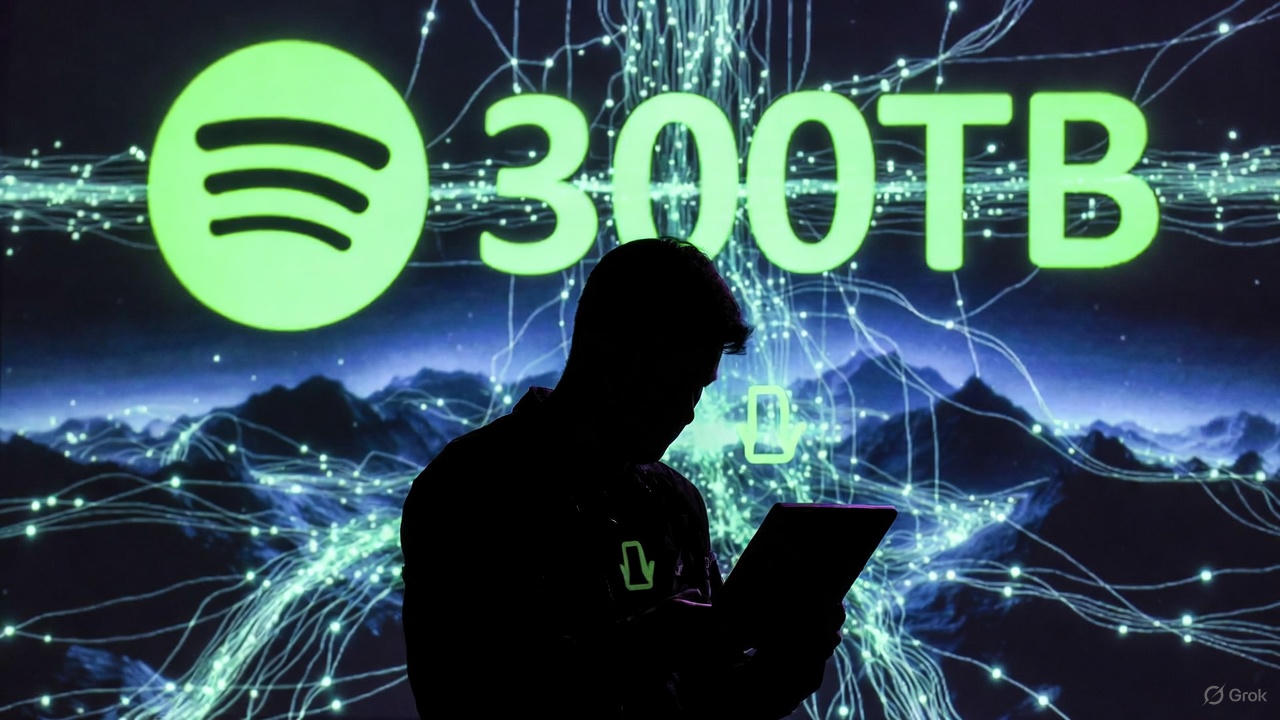
So, what exactly did they do? According to their blog post, Anna's Archive scraped public metadata for an astonishing 256 million tracks – that's 99.9% of Spotify's catalog as of July 2025. Metadata includes everything from song titles, artist names, album art, genres, tempos, and even popularity metrics. They've already released this as a torrent, creating what they call the largest publicly available music metadata database in existence. But they didn't stop there. The real meat is the audio files: 86 million tracks, downloaded in Spotify's native OGG Vorbis format, totaling around 300TB. These aren't random picks; they're prioritized by popularity, covering 99.6% of all listens on Spotify. In other words, they've got the hits – the Taylor Swifts, the Drakes, the Bad Bunnys – but only about 37% of the total songs available, thanks to the long tail of obscure tracks that barely get played.
Technically, this is a feat of engineering mixed with a dash of digital mischief. They used Spotify's public web API to harvest the metadata, which is openly accessible for developers. But accessing the audio? That's where things get illicit. Spotify protects its streams with DRM (Digital Rights Management), but Anna's Archive claims they found a way to circumvent it at scale, likely through automated scripts and multiple accounts. Spotify has confirmed this wasn't a traditional hack or breach – no user data was compromised – but rather "unauthorized scraping" by a third party using "illicit tactics". In response, Spotify swiftly disabled the involved accounts, beefed up safeguards, and launched an investigation. They're monitoring for suspicious activity and collaborating with industry partners to fend off what they term "anti-copyright extremists."
The implications here are massive, and they ripple out in multiple directions. First, on the piracy front: This archive could theoretically allow anyone to build a Spotify clone, complete with playlists and recommendations, all for free. Torrents of the audio files are slated for release in batches, starting with the most popular tracks. Imagine downloading the equivalent of Spotify's "Wrapped" for the entire world – but without paying a dime. For music fans in regions where streaming is unaffordable or censored, this could be a lifeline. But for artists and labels? It's a nightmare. Royalties from streams are already slim; widespread piracy could erode them further. We've seen this playbook before with the Internet Archive, which faced lawsuits from record labels over similar "preservation" efforts.
Then there's the AI angle, which adds a modern twist. Anna's Archive isn't shy about its ties to AI developers; they accept donations for high-speed data access, positioning themselves as a resource for training models. This 300TB trove could fuel generative AI music tools, much like scraped YouTube datasets have powered unlicensed AI services. Spotify, already negotiating licensing deals with AI firms, must be fuming. If this data circulates freely, it undermines those efforts and raises ethical questions about training AI on pirated content. Some speculate this scrape was motivated by AI demands, with funding from developers hungry for vast datasets.
Broader contextually, this fits into the ongoing debate over digital preservation. Anna's Archive frames it nobly: "We're creating the world’s first open preservation archive for music, to safeguard humanity’s musical heritage against disasters, wars, or corporate budget cuts. It's a compelling argument. Remember when MySpace lost millions of songs in a data migration mishap? Or when streaming services pull tracks due to licensing disputes? In a world where music lives in the cloud, controlled by corporations, backups like this ensure nothing vanishes forever. Shadow libraries argue that copyright laws, designed for physical media, don't adapt well to digital abundance. They position themselves as modern-day librarians, mirroring content to make it "easily mirrorable by anyone with sufficient disk space.
But let's not romanticize it too much. This is piracy, plain and simple, and it comes with risks. Anna's Archive has faced takedowns before, and this could invite more legal heat. On X (formerly Twitter), reactions are a mixed bag. Some users are ecstatic: One post gushes, "A piece of news that made me pretty happy this week was Anna's Archive scraping and archiving almost all of Spotify's music catalog, ready to be released as torrents to the public. Others are skeptical or misinformed, like a thread accusing them of ties to OpenAI, which Anna's Archive denies, emphasizing their preservation goals. Tech enthusiasts ponder the logistics: "I'm taking Anna's Archive Spotify audio data and song metadata database and putting it on a server If You Even Care". Meanwhile, news outlets in various languages, from Indonesian to Japanese, are buzzing about the "hack," though it's more scrape than breach.
Diving deeper into the metadata insights, it's fascinating what this reveals about our listening habits. Electronic/Dance tops the genres with over 520,000 tracks, and 120 BPM is the sweet spot for tempo – think upbeat pop and EDM dominating charts. This dataset isn't just a pirate's treasure; it's a sociologist's dream, offering a snapshot of global music consumption. If released fully, researchers could analyze trends, biases in algorithms, or even cultural shifts without begging for API access from Spotify.
Yet, the ethical quandary lingers. Is this liberation or theft? Artists deserve compensation, but in an industry where Spotify pays pennies per stream, perhaps the real villains are the platforms themselves. Indie musicians often complain about opaque payouts and algorithmic favoritism. A decentralized, open archive could democratize access, but at what cost? Legal battles could drain Anna's Archive's resources, as one Reddit thread warns, likening it to the Titanic's hubris.
Looking ahead, this could accelerate changes in the music biz. Streaming services might tighten APIs, add more DRM, or push for stricter anti-scraping laws. On the flip side, it might inspire legitimate open archives or blockchain-based music ownership. For AI, it's a wildcard – more data means better models, but pirated sources could lead to lawsuits, as seen with image generators trained on unlicensed art.
In conclusion, Anna's Archive's Spotify backup is a provocative act that blurs the lines between preservation and piracy. At 300TB, it's a monumental effort that challenges the status quo, forcing us to question who owns culture in the digital age. As a tech enthusiast, I'm torn: Thrilled by the audacity and the potential for open knowledge, but wary of the fallout for creators. Whether this archive endures or gets torpedoed by lawsuits remains to be seen, but one thing's clear – the beat goes on, and the internet never forgets. If you're intrigued, check out their site (at your own risk), and let's hope this sparks meaningful dialogue on sustainable music ecosystems. What do you think – hero or villain? Drop your thoughts below.
