

Why Audio File Conversion Matters More Than Ever in Modern Music Production
In today’s music world, audio no longer lives in one format, one DAW, or one platform. Producers collaborate across continents, artists distribute to dozens of streaming services, podcasters repurpose content for multiple channels, and sound designers jump between software environments daily. At the heart of all this movement is one often overlooked but absolutely essential process: audio file conversion.
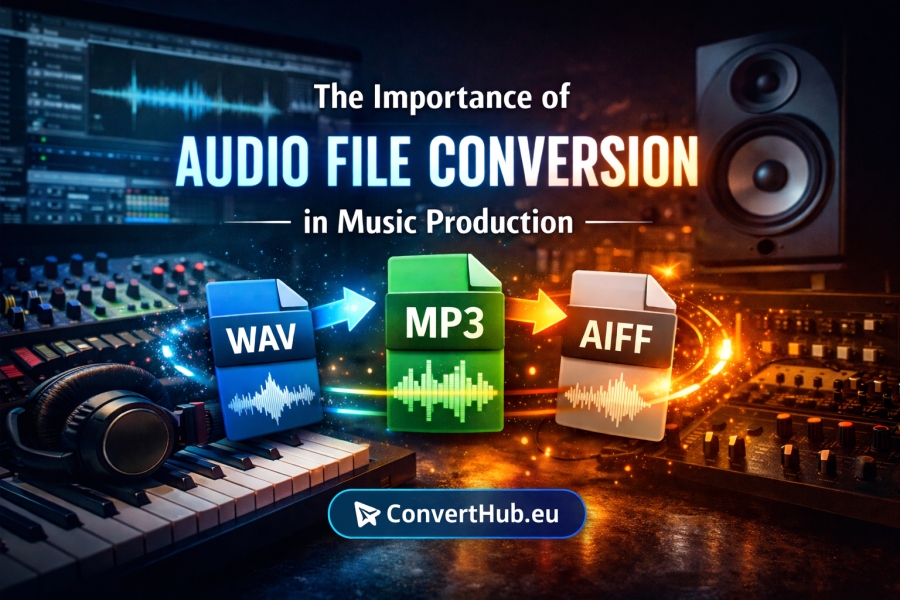
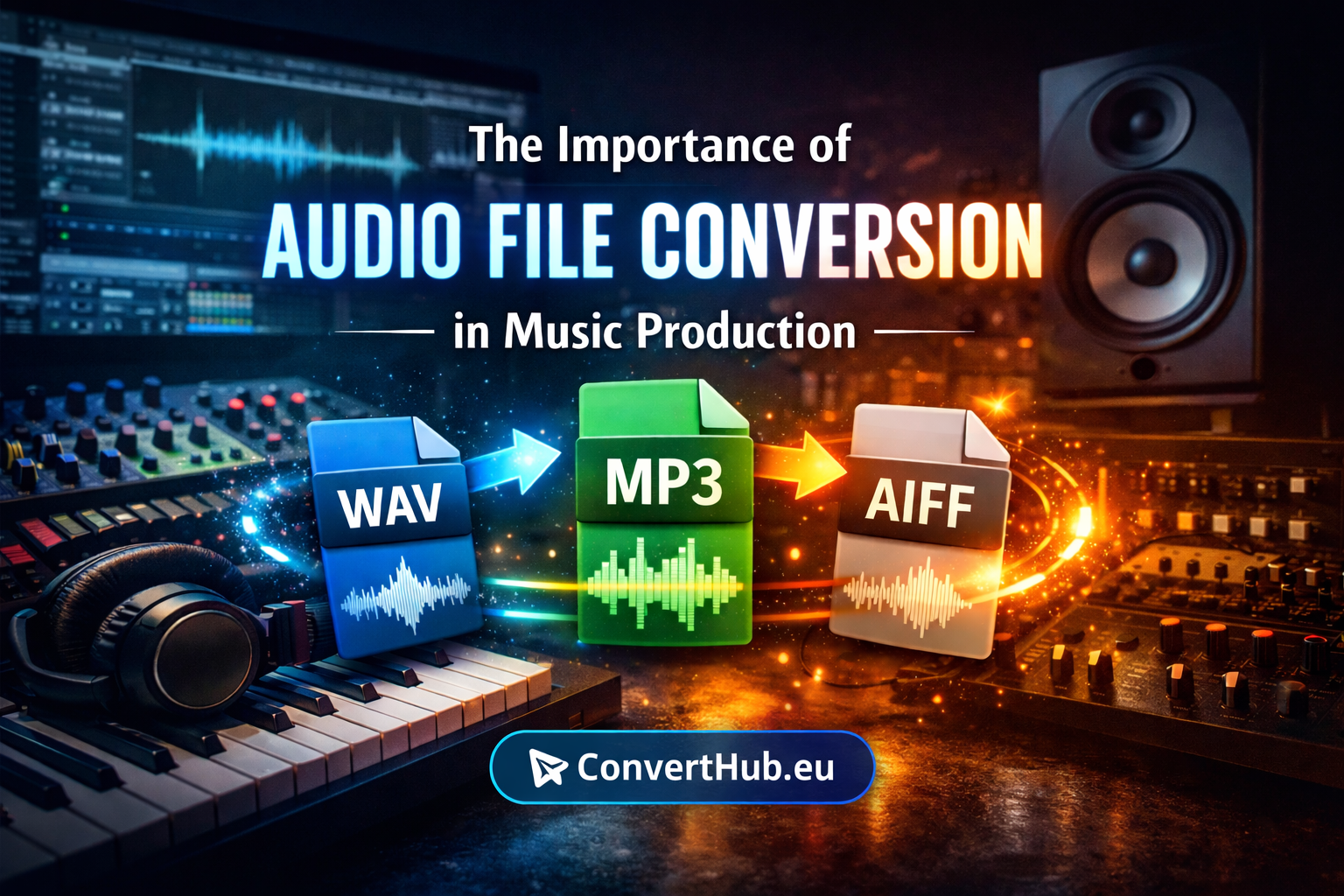
Whether you’re converting a WAV to MP3 for distribution, an AIFF for a specific DAW, or compressing audio for faster sharing, the ability to quickly and safely convert audio files has become a silent backbone of modern music creation. It’s not glamorous, but without it, workflows break down fast.
At Sounds Space, where creativity and technology meet, understanding why audio conversion matters — and how to do it properly — is key to working smarter, not harder.
The Reality of Audio Formats in Music Today
There is no single “best” audio format. Each exists for a reason, and each serves a specific purpose in the production and distribution chain.
-
WAV files are uncompressed and ideal for studio work, mixing, and mastering.
-
AIFF files serve a similar role, often preferred in Apple-based environments.
-
MP3 files are compressed and widely used for streaming, previews, and sharing.
-
FLAC offers lossless compression with smaller file sizes.
-
AAC, OGG, and others exist for platform-specific optimization.
The problem?
Most artists don’t live in just one ecosystem.
You might record vocals in WAV, send demos as MP3s, receive stems as AIFF, and upload final masters in multiple formats depending on the platform. Audio conversion isn’t optional — it’s unavoidable.
Collaboration Depends on Audio Compatibility
Modern music is collaborative by nature. A beat might be made in Berlin, vocals recorded in London, mixed in Istanbul, and mastered in New York. Each collaborator uses different tools, preferences, and technical requirements.
When audio formats don’t align:
-
Sessions fail to open properly
-
Files won’t import into certain DAWs
-
Playback errors occur
-
Time is wasted on troubleshooting instead of creating
Fast, reliable audio conversion ensures that creativity isn’t slowed down by technical friction. It allows artists to focus on music, not file errors.
Audio Conversion Beyond Music: Podcasts, Film & Content Creation
Audio conversion isn’t only for musicians.
Podcasters convert WAV recordings into compressed formats for distribution.
Filmmakers sync audio across platforms.
Content creators adapt audio for social media, video platforms, and archives.
The modern creator often wears multiple hats — musician, editor, marketer — and needs tools that just work, without complexity.
This is where simple, browser-based audio conversion becomes invaluable.
Why Online Audio Converters Are Replacing Desktop Software
For years, audio conversion meant installing bulky software, dealing with updates, or navigating confusing interfaces. Today, that’s changing.
Online audio converters offer:
-
No installations
-
No compatibility issues
-
Instant access from any device
-
Faster turnaround for simple tasks
For quick conversions — especially when you’re sharing files, sending demos, or preparing content — online tools are often the most efficient solution.
Privacy: The Overlooked Side of Audio Conversion
Audio files are personal.
They may contain unreleased music, client work, voice recordings, or confidential material.
Unfortunately, many “free” conversion platforms require:
-
Email signups
-
Account creation
-
Cloud storage tied to user profiles
-
Unclear data retention policies
For artists and professionals, this raises serious concerns.
A trustworthy audio converter should:
-
Work without requiring personal information
-
Process files securely
-
Avoid unnecessary data collection
-
Respect creative ownership
Privacy-first conversion tools are no longer a luxury — they’re a necessity.
Audio Quality: What Really Matters When Converting Files
One of the biggest fears artists have about audio conversion is quality loss.
While some formats are inherently lossy (like MP3), proper conversion ensures:
-
No unnecessary re-encoding
-
Correct sample rate handling
-
Proper bit depth preservation where applicable
Understanding when and why to convert matters just as much as the tool you use.
Best practices include:
-
Keeping original WAV or AIFF masters
-
Only converting to lossy formats at the final stage
-
Avoiding multiple conversions of the same file
-
Using reliable tools that don’t add artifacts
Good conversion should be invisible. If you hear it, something went wrong.
How ConvertHub Fits into the Modern Audio Workflow
This is where ConvertHub.eu naturally fits into the conversation.
ConvertHub offers fast, no-signup audio file conversion directly in the browser, making it ideal for:
-
Producers sending previews
-
Artists sharing demos
-
Podcasters exporting episodes
-
Creators repurposing content
Key advantages:
-
No account required
-
No email collection
-
Clean, distraction-free interface
-
Supports common audio formats
-
Works instantly from any device
It’s not trying to replace your DAW.
It complements your workflow by handling the small but essential tasks efficiently.
For creatives, that matters.
Real-World Use Cases in Music Production
Let’s look at how audio conversion actually shows up in daily creative life.
Demo Sharing
You finish a track in WAV but need a lightweight MP3 to send via WhatsApp, email, or private links.
Vocal Recording
A vocalist sends AIFF files, but your DAW session expects WAV.
Client Previews
You want high-quality audio, but with manageable file sizes for review.
Archive Management
You need to standardize formats across an older project library.
In all these scenarios, quick audio conversion saves time and removes friction.
Audio Conversion and the Speed of Creativity
Creativity thrives on momentum.
Every interruption — every technical hurdle — chips away at flow.
When conversion becomes instant and effortless, creators stay focused on what matters:
-
Writing
-
Producing
-
Mixing
-
Releasing
Tools like ConvertHub support creativity by staying invisible. They do the job and get out of the way.
Why Simplicity Wins in Creative Tools
The best creative tools don’t shout. They don’t overwhelm. They don’t demand attention.
They:
-
Solve one problem well
-
Respect the user
-
Stay out of the creative process
Audio conversion is one of those tasks that should never feel heavy. It should feel obvious, fast, and safe.
That’s the philosophy modern creators gravitate toward — and why simple, privacy-friendly tools are becoming the standard.
The Bigger Picture: Technology Serving Art
At Sounds Space, we believe technology should serve creativity, not control it.
Audio conversion might seem small, but it represents something bigger:
-
Freedom from technical barriers
-
Respect for artists’ time
-
Control over one’s own work
-
Seamless collaboration
In a world where music creation is more accessible than ever, the tools we choose matter.
Final Thoughts
Audio file conversion isn’t just a technical step — it’s a bridge between ideas and execution.
Whether you’re a producer, artist, podcaster, or content creator, having access to fast, reliable, and privacy-respecting audio conversion is essential in today’s creative landscape.
Platforms like ConvertHub.eu don’t try to reinvent music production. They quietly support it — and sometimes, that’s exactly what creators need.
Less friction.
More flow.
Better music.
