


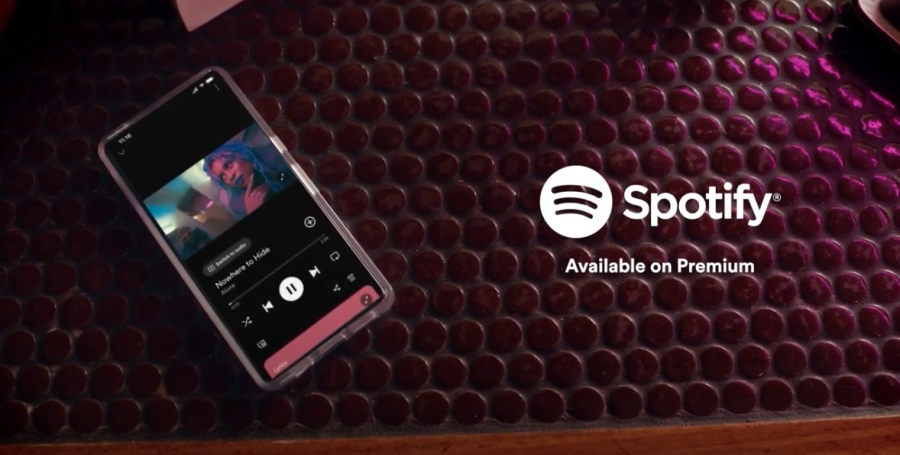
Spotify’s Big Video Push: How the Streaming Giant Is Transforming Into a Hybrid Music-Video Platform in 2025
For over a decade, Spotify has defined itself as the audio-first platform — a place where music lived, playlists ruled, and podcasts became the new frontier. But in 2025, everything is changing. Spotify is no longer content being “just” a music app. It’s now pushing hard into video, integrating music videos, visual content, and even short-form features directly into its core experience.
This shift — from audio-only streaming to a hybrid audio-video ecosystem — is one of the biggest transformations in Spotify’s history. And it’s raising important questions:
What does the “music video” mean in 2025?
How will this move affect artists?
Will user behaviour change?
And what does this mean for the future monetisation of streaming?
Let’s break it all down.
Why Spotify Is Making a Video Push Now
For years, Spotify has been the king of audio streaming… but audio alone doesn’t dominate the cultural conversation anymore.
Music consumption today is shaped by TikTok, YouTube Shorts, Instagram Reels, and visual storytelling. Artists gain momentum and virality not from traditional music videos, but from high-impact visual clips, fan edits, behind-the-scenes snippets, and performance content.
In short:
✔ The world now consumes music visually
✔ Platforms built on video dominate attention
✔ Music discovery happens through images as much as sound
Spotify knows this — and knows that if it doesn’t evolve, it risks becoming a background app rather than the centre of culture.
So in 2025, Spotify is pivoting:
-
Adding full music videos
-
Integrating short-form vertical clips
-
Introducing video playlists
-
Expanding video podcasts
-
Offering artists visual content slots inside their track pages
-
Testing new video-based discovery surfaces
Spotify doesn’t want users to leave the app to watch visuals anymore — whether it’s on TikTok, YouTube, or anywhere else.
It wants to become a one-stop shop for music and visuals.
The New Meaning of “Music Video” in 2025
The traditional music video used to be a big-budget, cinematic centerpiece released on MTV or YouTube to promote a single. But in recent years, its cultural power has faded — replaced by quick, viral, attention-grabbing clips.
Spotify stepping into video changes the game again.
Music videos are no longer just promotional tools — they become part of the streaming experience itself.
This has major implications:
1. Music videos become more integrated and interactive
A music video on Spotify isn’t a separate destination like YouTube.
It becomes part of:
-
the song page
-
the playlist
-
the artist’s hub
-
the discovery feed
Fans can watch, like, save, share, comment, and even sync video clips with audio playlists.
This makes music videos a functional part of listening — not something external.
2. Artists can release multiple types of videos per song
Instead of one expensive video, a track might have:
-
the official music video
-
live session versions
-
vertical edits
-
fan-clip compilations
-
behind-the-scenes
-
motion graphics loops
-
animated versions
Spotify’s visual infrastructure makes all of these seamlessly accessible.
3. Short-form visuals become the new “album artwork”
Cover art used to be the identity of a song.
Now?
Video loops, canvas clips, and vertical snippets take the lead.
A song might be defined by a 5-second clip — the part users see repeatedly as they stream.
Spotify’s expansion gives these micro-visuals a home and elevates their creative importance.
4. Visuals become a new form of branding
Artists no longer just “release music.”
They release experiences — sound + visuals packaged together.
In 2025, the music video isn’t dead.
It’s evolving.
How This Shift Affects Artists: Opportunities & Challenges
Spotify’s video push brings both powerful benefits and new pressures for artists.
Opportunities for Artists
1. More ways to express creativity
Instead of choosing between a $20,000 music video and nothing, artists can now deliver:
-
affordable visualizers
-
animated loops
-
vertical edits
-
lyric videos
-
photo slideshows
-
fan-generated visuals
All inside Spotify.
This lowers the barrier to visual creativity.
2. Better discovery potential
A visually striking video or clip could now become a major discovery tool.
Imagine:
A user plays a playlist → a new song appears with gripping visuals → they’re instantly hooked.
Spotify hasn’t had this kind of “visual discovery” power before.
This is TikTok’s biggest advantage — and now Spotify is closing the gap.
3. Stronger monetization down the line
Spotify’s video rollout sets the stage for future revenue options:
-
Video ads
-
Sponsored visuals
-
Paid exclusive video content
-
Video-based fan subscriptions
-
Virtual merch or interactive video items
-
Premium artist video hubs
Artists will be able to earn more not just through streams, but through hybrid content releases.
4. Greater control over fan engagement
Artists can create:
-
episodic content
-
behind-the-scenes diaries
-
short film tie-ins
-
dance challenges
-
story-driven visual arcs
All without relying on YouTube or TikTok algorithms.
Spotify essentially becomes a platform where artists can build deeper, more controlled fan ecosystems.
Challenges for Artists
1. More pressure to create visual content
Not every musician is a filmmaker.
Not every band has the resources to pump out videos.
This shift may create a new kind of competition:
Who can produce the best visuals?
Who has the team to execute consistently?
Who can afford regular video content?
Artists might feel forced to invest in video even if they don’t want to.
2. Budget imbalance
Music videos, even short ones, cost time and money.
Independent artists might struggle while major labels flood the platform with polished visuals.
The gap could widen.
3. Creative burnout
Platforms often demand constant output.
Spotify’s new visual surfaces may increase the expectation that artists “feed” the platform regularly with:
-
new clips
-
new edits
-
new video versions
For creators already overwhelmed, this could be exhausting.
How User Behaviour Will Change
Spotify adding video isn’t just a technical upgrade — it will fundamentally change how people use the app.
1. Spotify becomes a “lean-in” platform
Audio is passive.
Video is active.
Users will now pick up their phones more often, scroll more, watch more, engage more.
Spotify becomes a place where people watch as much as they listen.
2. Playlists evolve into video playlists
A workout playlist might become:
-
20 songs
-
each with energetic visualizers
A chill playlist might include:
-
calm animations
-
nature clips
-
ambient visuals
This transforms playlists into immersive experiences, not just collections of songs.
3. Music discovery becomes visual
A catchy visual loop can hook a listener in seconds.
Spotify knows this.
That’s why it’s leaning into video for discovery.
Soon, “discovering music” on Spotify will feel closer to browsing Reels or TikTok — but focused entirely on songs.
4. The app keeps users for longer
Video dramatically increases retention.
The more surfaces Spotify adds:
-
video feeds
-
video-based recommendations
-
artist video stories
-
top video charts
…the more time people spend inside the app.
This reduces the need to jump to:
-
YouTube for music videos
-
TikTok for viral clips
-
Instagram for behind-the-scenes content
Spotify becomes a unified hub.
The Future of Monetization: How Spotify’s Video Push Changes the Business
Spotify’s video strategy isn’t just a creative decision — it’s a financial one.
Here’s how this evolution impacts monetization.
1. New video ad formats
Advertisers love video because it:
-
grabs attention
-
boosts engagement
-
increases recall
Spotify can now introduce:
-
pre-roll video ads
-
mid-roll video ads
-
sponsored visual playlists
-
artist video sponsorships
This opens the door to huge new revenue streams.
2. Premium video content tiers
Spotify might begin offering:
-
paid video episodes
-
exclusive artist videos
-
visual albums
-
behind-the-scenes documentaries
-
special sessions or live performances
Users could pay extra for enhanced visual content.
3. Video-based fan monetization
Artists may soon be able to offer:
-
paid video diaries
-
exclusive monthly content
-
locked premium videos
-
virtual meet-and-greets via video
This mirrors Patreon — but inside Spotify.
4. Brand partnerships with integrated video
Brands might sponsor:
-
video songs
-
playlist videos
-
video-based events
-
artist video series
Suddenly, sponsorship becomes more dynamic and profitable.
What This Means for the Future of Music Streaming
Spotify’s move signals a broader shift:
Streaming platforms are no longer competing over music. They’re competing over attention.
In 2025, audio isn’t enough.
-
TikTok dominates musical virality
-
YouTube dominates music video culture
-
Instagram dominates artist storytelling
-
Twitch dominates live performances
-
Spotify dominates audio
But Spotify wants more.
It wants to sit at the centre of all music-related content.
This means:
✔ Streaming platforms will become hybrid ecosystems
✔ Artists will release songs + videos simultaneously
✔ Visual storytelling will become standard
✔ Fan engagement will deepen
✔ Monetisation will expand dramatically
We’re entering a new era where music experiences are not defined by sound alone — but by sound, visual identity, and the emotional world an artist creates through both.
Conclusion: Spotify’s Video Push Is Reshaping Music Culture
Spotify’s expansion into video is more than a platform update — it’s a cultural shift that will redefine how music is consumed, discovered, and monetized in 2025 and beyond.
For artists, it means new creative opportunities — and new pressures.
For fans, it means richer, more engaging music experiences.
For the industry, it signals that pure audio streaming is no longer enough.
We’re witnessing the birth of a hybrid world where music and visuals merge into one unified experience — and Spotify is positioning itself at the centre of that evolution.
If this works out the way Spotify envisions, the future of music streaming won’t be audio-first.
It will be fully audiovisual — immersive, interactive, and integrated in ways we’re only beginning to understand.
