


💿 Vinyl Is Officially Back—And Bigger Than Ever
In an era dominated by streaming platforms and digital convenience, one format many believed was long gone is making a powerful and unexpected comeback: vinyl records.
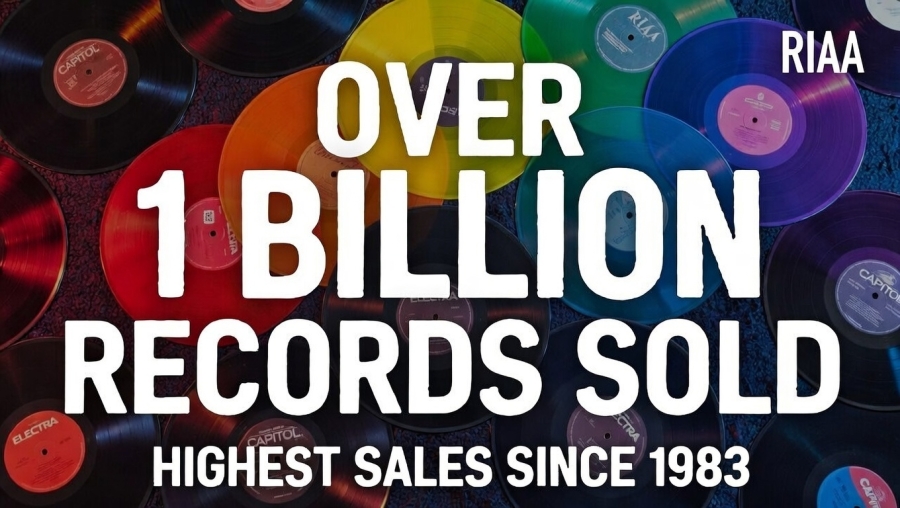
In 2026, vinyl has reached a historic milestone—over $1 billion in sales in the United States, marking the highest level since 1983. What was once considered a nostalgic niche has now evolved into a booming segment of the music industry.
And at the center of this resurgence? Global superstars like Taylor Swift, whose influence has helped turn vinyl into a cultural and commercial powerhouse.
But why is vinyl thriving in the digital age? And what does this mean for artists, labels, and the future of music?
Let’s break it down.
📈 The Numbers Behind the Vinyl Boom
The return of vinyl is not just a trend—it’s a measurable, data-driven phenomenon.
Key Highlights:
- 💰 Over $1 billion in U.S. vinyl sales
- 📀 Highest revenue since 1983
- 📊 Continuous year-over-year growth
- 🛍️ Vinyl outselling CDs in multiple markets
These numbers are staggering, especially when you consider that just a decade ago, vinyl was considered a niche product for collectors and audiophiles.
Today, it’s a mainstream revenue stream.
🎤 The “Taylor Swift Effect.”
No conversation about vinyl’s resurgence would be complete without mentioning Taylor Swift.
Swift has played a massive role in bringing vinyl back into the spotlight by:
- Releasing multiple vinyl editions of her albums
- Creating visually stunning packaging
- Encouraging fans to collect different variants
- Tying vinyl releases to major album rollouts
Her strategy has turned vinyl into more than just a listening format—it’s now a fan experience.
And it’s working.
Her releases consistently dominate vinyl sales charts, proving that physical music can thrive when paired with strong branding and fan engagement.
🎨 Vinyl as a Premium Collectible
One of the biggest reasons behind vinyl’s success is its transformation into a premium collectible product.
Unlike streaming, which offers instant and unlimited access, vinyl provides something unique:
🖼️ 1. Tangibility
Fans can physically hold, display, and interact with vinyl records.
🎁 2. Exclusive Editions
Limited runs, colored vinyl, and signed copies create a sense of rarity and urgency.
🎶 3. Artwork and Packaging
Large-format album art, inserts, and booklets enhance the overall experience.
💎 4. Perceived Value
Vinyl feels like a premium product—something worth paying more for.
👉 In a digital world, physical becomes special.
🧠 The Psychology Behind the Vinyl Revival
The resurgence of vinyl isn’t just about music—it’s about human behavior.
🔄 Nostalgia
Many listeners are drawn to vinyl because it reminds them of earlier eras. Even younger generations are embracing the retro aesthetic.
🧘 Intentional Listening
Streaming encourages passive listening. Vinyl, on the other hand, requires effort:
- Placing the record
- Dropping the needle
- Listening from start to finish
This creates a more immersive experience.
📸 Social Identity
Owning vinyl has become a form of self-expression. Sharing collections on social media has become a trend in itself.
🌍 Vinyl vs Streaming: Not Competitors, But Complements
It might seem like vinyl and streaming are in direct competition—but in reality, they serve different purposes.
🎧 Streaming:
- Convenient
- Instant access
- Massive libraries
💿 Vinyl:
- Emotional connection
- Physical ownership
- Premium experience
👉 The modern listener uses both.
Fans discover music on streaming platforms and then purchase vinyl versions of their favorite albums.
This creates a powerful dual-revenue model for artists and labels.
💰 A New Revenue Stream for Artists
With streaming payouts often criticized for being low, vinyl offers artists a valuable alternative income source.
Why Vinyl Is Profitable:
- Higher price point per unit
- Strong demand for limited editions
- Direct-to-fan sales opportunities
- Bundling with merch and tickets
For independent artists, especially, vinyl can be a game-changer.
Selling a limited run of records can generate significant revenue while strengthening fan loyalty.
🏭 The Challenges of Vinyl Growth
While the vinyl boom is exciting, it’s not without its challenges.
⏳ Production Delays
Vinyl manufacturing is time-consuming, and demand often exceeds supply.
🏗️ Limited Pressing Plants
There are relatively few vinyl pressing facilities worldwide, leading to bottlenecks.
💸 Higher Costs
Producing vinyl is more expensive than digital distribution.
🌱 Environmental Concerns
Vinyl production involves materials that raise sustainability questions.
Despite these issues, demand continues to rise—pushing the industry to adapt and innovate.
🎯 How Artists Are Leveraging Vinyl in 2026
Artists are becoming increasingly strategic with their vinyl releases.
🔥 1. Multiple Variants
Different colors, covers, and editions encourage collectors to buy more than one version.
📦 2. Bundles
Vinyl is often sold alongside merchandise, tickets, or exclusive content.
🎉 3. Event-Based Drops
Limited-time releases create hype and urgency.
🎥 4. Cross-Media Integration
Vinyl releases are tied to documentaries, music videos, and social campaigns.
👉 Vinyl is no longer just a product—it’s part of a larger marketing ecosystem.
📊 The Role of Major Labels
Major labels, including Warner Music Group, are heavily investing in vinyl production and distribution.
Why?
Because vinyl represents:
- A high-margin product
- A growing market
- A way to monetize catalogs
Labels are reissuing classic albums, remastering old recordings, and packaging them in new ways to attract both old and new audiences.
🔮 The Future of Vinyl
So, is vinyl just a passing trend?
All signs point to no.
🚀 What’s Next:
- Continued growth in sales
- Expansion of pressing capacity
- More innovative designs and packaging
- Integration with digital experiences (e.g., QR codes, AR features)
Vinyl is evolving, not just surviving.
🎧 What This Means for the Music Industry
The vinyl resurgence highlights a broader shift in how music is consumed and valued.
🎯 1. Experience Matters
Fans are willing to pay more for meaningful, tangible experiences.
🎯 2. Ownership Is Back
In a streaming world, owning music feels special again.
🎯 3. Superfans Drive Revenue
Dedicated fans are the key to monetization.
🎯 4. Physical + Digital = The Future
The industry is moving toward hybrid consumption models.
⚡ Why This Moment Is Bigger Than the Last Vinyl Comeback
Vinyl has had comebacks before—but this one is different.
🔥 Then:
- Niche market
- Limited audience
- Mostly nostalgia-driven
🚀 Now:
- Mainstream success
- Global demand
- Driven by both nostalgia and modern culture
This isn’t just a revival—it’s a reinvention.
🏁 Final Thoughts: Vinyl Is More Than Music—It’s a Movement
The return of vinyl is one of the most fascinating developments in the modern music industry.
What was once considered obsolete is now thriving, proving that technology doesn’t always replace the past—it sometimes enhances it.
With artists like Taylor Swift leading the charge and major labels like Warner Music Group investing heavily, vinyl has secured its place in the future of music.
👉 Physical music isn’t dead—it’s premium.
👉 Vinyl isn’t outdated—it’s elevated.
And most importantly:
👉 Fans don’t just want to hear music anymore—they want to own it, feel it, and experience it.
🚀 Stay Ahead of Music Trends
Want more insights into the biggest shifts shaping the music industry?
Stay tuned for the latest news, strategies, and deep dives into the future of music.
