
Universal Music Group and TikTok Sign New Multi-Year Licensing Deal: What It Means for Artists, Fans, and the Music Industry
UMG and TikTok Rebuild Their Relationship After a Turbulent Split
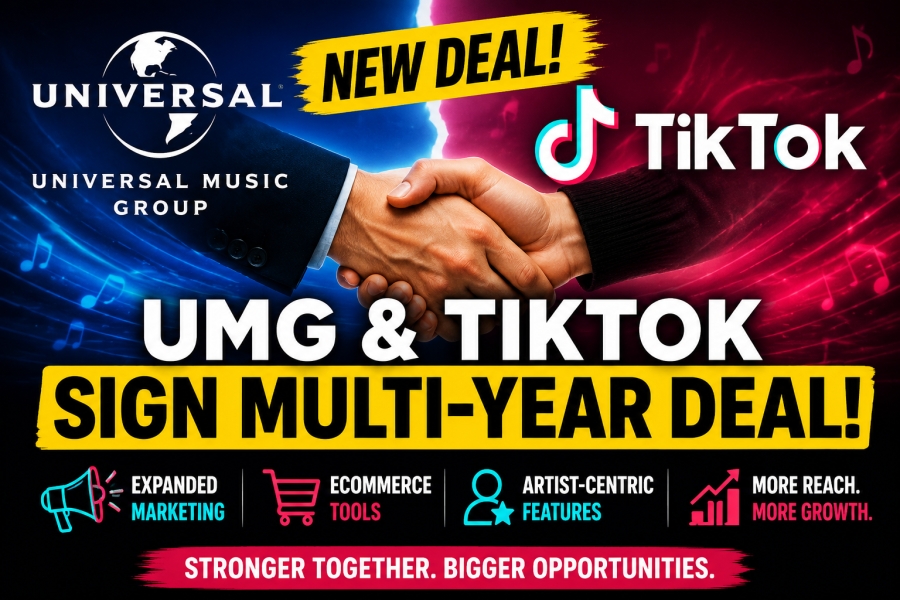
Universal Music Group and TikTok have officially announced a brand-new multi-year licensing agreement, marking a major turning point for the music industry after months of public tension between the two giants.
According to the official announcement, the deal will provide UMG artists with expanded promotional opportunities on TikTok, including enhanced marketing and advertising campaigns, ecommerce integrations, and a range of artist-focused tools designed to help musicians grow their audiences and generate more revenue.
The announcement arrives roughly two years after one of the most dramatic disputes in modern music streaming history. In early 2024, UMG removed its entire catalog of master recordings and compositions from TikTok following disagreements surrounding artist compensation, artificial intelligence concerns, and platform safety issues.
Now, with this new agreement in place, the relationship between the world’s largest music company and one of the most influential social media platforms appears stronger than ever.
Why Universal Music Group Pulled Its Music From TikTok in 2024
Back in January 2024, UMG shocked the music world when it allowed its licensing agreement with TikTok to expire. As negotiations collapsed, songs from some of the world’s biggest artists disappeared from the platform almost overnight.
That meant users could no longer use music from artists associated with UMG, including major global stars across pop, hip-hop, rock, dance, and country music.
The dispute centered around several major issues:
1. Artist Compensation
UMG argued that TikTok was underpaying artists and songwriters despite the platform’s massive influence on music discovery and viral success.
TikTok had become one of the biggest drivers of streaming culture, with countless songs reaching the charts after trending on the app. However, UMG believed the financial returns for artists did not reflect TikTok’s cultural power and advertising revenue.
2. Artificial Intelligence Concerns
Another key issue involved the rapid rise of AI-generated music.
UMG publicly criticized the spread of unauthorized AI songs that mimicked famous artists. The company expressed concerns about deepfake vocals, copyright abuse, and the potential devaluation of human creativity.
At the time, UMG accused TikTok of failing to properly protect artists from AI-generated content that could harm both reputations and revenue streams.
3. Platform Safety and Content Moderation
UMG also raised concerns regarding online harassment, harmful content, and moderation standards on TikTok.
The company wanted stronger protections for artists and fans while ensuring music was not being used alongside damaging or inappropriate content.
The dispute created major disruption across TikTok, especially for creators whose videos suddenly lost audio due to removed tracks.
The Importance of TikTok in Modern Music Promotion
Despite the conflict, both companies understood one major reality: TikTok has become one of the most powerful music discovery platforms in the world.
In today’s music industry, viral success on TikTok can completely transform an artist’s career within days.
Songs that trend on the platform frequently dominate streaming charts on services like Spotify and Apple Music shortly afterward.
TikTok trends influence:
- Billboard chart performance
- Spotify playlist placements
- Concert ticket sales
- Music downloads and streams
- Fan engagement
- Merchandise purchases
- Cultural conversations
Independent artists have also benefited enormously from TikTok’s algorithm, which allows unknown musicians to reach millions of users organically without traditional label backing.
Because of this, TikTok is no longer viewed as just a social media app. It is now considered a central pillar of global music marketing strategy.
What the New UMG and TikTok Deal Includes
The newly announced multi-year agreement appears designed to address many of the concerns raised during the 2024 dispute.
According to the press release, the partnership will offer several new benefits for UMG artists and songwriters.
Expanded Marketing and Advertising Campaigns
One of the biggest features of the agreement is the promise of enhanced marketing opportunities for artists.
This likely means TikTok and UMG will work more closely together on:
- Official artist campaigns
- Sponsored promotions
- Album release rollouts
- Viral challenge strategies
- Fan engagement campaigns
- Influencer collaborations
- Livestream events
These tools could help artists maximize visibility across TikTok’s enormous global audience.
For labels, this partnership creates new ways to launch music releases more effectively in an era where short-form video dominates online attention.
E-commerce and Artist Monetization Tools
Another major component of the deal involves e-commerce integration.
TikTok has increasingly expanded into online shopping and direct monetization features over the past few years. The new agreement suggests UMG artists will gain greater access to tools that allow them to sell products directly through the platform.
This could include:
- Merchandise sales
- Vinyl and CD bundles
- Concert tickets
- Exclusive digital content
- Artist subscriptions
- Limited edition drops
The integration of e-commerce into music promotion reflects a growing industry trend where artists rely on multiple income streams beyond traditional streaming royalties.
Artist-Centric Features Could Redefine Fan Engagement
The press release also references “artist-centric tools,” a phrase that could have significant implications for the future of music promotion.
These tools may include advanced analytics, audience targeting systems, AI-powered fan insights, and better ways for artists to connect directly with followers.
TikTok’s data ecosystem is incredibly powerful. By combining music trends with user behavior insights, labels and artists can make smarter marketing decisions in real time.
For example, artists may be able to identify:
- Which songs are trending fastest
- Which regions are reacting most positively
- Which creators are driving virality
- What type of content generates the most engagement
This level of precision marketing is becoming increasingly valuable in the streaming era.
The Role of AI in the New Agreement
Artificial intelligence remains one of the biggest talking points surrounding this partnership.
While the original dispute highlighted AI-related tensions, the new deal could signal a more collaborative approach toward managing AI-generated music content.
UMG has been aggressively pushing for stronger protections around artist likenesses, vocals, and copyrighted material.
Meanwhile, TikTok continues investing heavily in AI-powered content tools and recommendation systems.
Industry experts believe the new agreement may include behind-the-scenes safeguards involving:
- AI content labeling
- Copyright detection systems
- Voice cloning protections
- Licensing frameworks for AI-generated music
- Better monetization tracking
As AI technology evolves, partnerships between labels and tech platforms will become increasingly important in defining industry standards.
Why This Deal Matters for the Entire Music Industry
This isn’t just a business agreement between two corporations. It is a major signal about the future direction of the music industry.
The partnership demonstrates how deeply interconnected music labels and social platforms have become.
Streaming alone is no longer enough for artists to maintain long-term success. Social media engagement, creator partnerships, and viral marketing now play equally important roles.
The UMG-TikTok deal may influence future negotiations involving other major labels, such as:
- Sony Music Entertainment
- Warner Music Group
If the partnership proves successful, it could establish new standards for artist compensation, digital promotion, and AI governance across the entertainment industry.
How Artists Could Benefit From the Partnership
For musicians signed to UMG, the renewed agreement could open major opportunities.
Artists today depend heavily on visibility across platforms where younger audiences spend the most time. TikTok remains one of the dominant forces in youth culture and music consumption.
Potential artist benefits include:
Increased Reach
Artists can once again use TikTok’s viral ecosystem to promote new music globally.
Better Monetization
Expanded ecommerce tools could help musicians earn revenue beyond streaming royalties.
Enhanced Fan Relationships
Interactive features may allow deeper engagement between artists and communities.
More Strategic Promotions
Access to better analytics and campaign tools can improve release strategies.
Stronger Brand Collaborations
TikTok’s advertising infrastructure creates more opportunities for sponsorships and influencer campaigns.
TikTok’s Continued Influence on Global Music Culture
Even after years of debate surrounding social media’s impact on creativity, TikTok continues to shape modern music culture at an unprecedented level.
Songs often become popular on TikTok before they ever reach radio stations or streaming playlists.
Entire genres have experienced resurgence thanks to viral trends, including:
- UK garage
- Drum and bass
- Phonk
- Indie pop
- Afrobeat
- Hyperpop
- Classic catalog music
Older songs have also returned to the charts years after release because of viral TikTok moments.
For labels like UMG, maintaining a strong relationship with TikTok is becoming essential rather than optional.
Fans Will Likely Notice Immediate Changes
Music fans and creators will probably see the impact of the deal relatively quickly.
Users can expect:
- More official artist content
- New promotional campaigns
- Greater use of licensed music
- Enhanced livestream experiences
- More integrated shopping features
- Increased artist interaction
Creators who previously struggled with muted videos during the 2024 dispute may also welcome the return of full music availability.
The Future of Music Licensing and Social Media
The UMG and TikTok agreement highlights a larger transformation happening across the entertainment industry.
Music licensing is evolving beyond simple streaming rights into broader partnerships that combine:
- Social media marketing
- AI governance
- Ecommerce
- Fan communities
- Creator monetization
- Data analytics
- Digital advertising
Record labels are no longer just music distributors. They are becoming technology-driven media companies that rely heavily on platform partnerships.
At the same time, social platforms increasingly depend on music to maintain engagement and cultural relevance.
The relationship between music and technology has never been more interconnected.
Final Thoughts
The new multi-year licensing agreement between Universal Music Group and TikTok represents one of the most important music industry partnerships of 2026 so far.
After a highly publicized conflict that removed UMG’s catalog from TikTok in early 2024, both companies appear ready to move forward with a more collaborative and commercially ambitious relationship.
For artists, the agreement promises stronger promotional tools, improved e-commerce opportunities, and expanded audience engagement capabilities.
For TikTok, the partnership secures access to one of the world’s largest music catalogs while reinforcing the platform’s role as a dominant force in global music discovery.
And for the wider music industry, this deal could shape how labels, creators, and tech companies work together in the AI-driven future of entertainment.
As music consumption continues evolving through short-form content, creator culture, and social commerce, partnerships like this will likely define the next era of digital music marketing.
