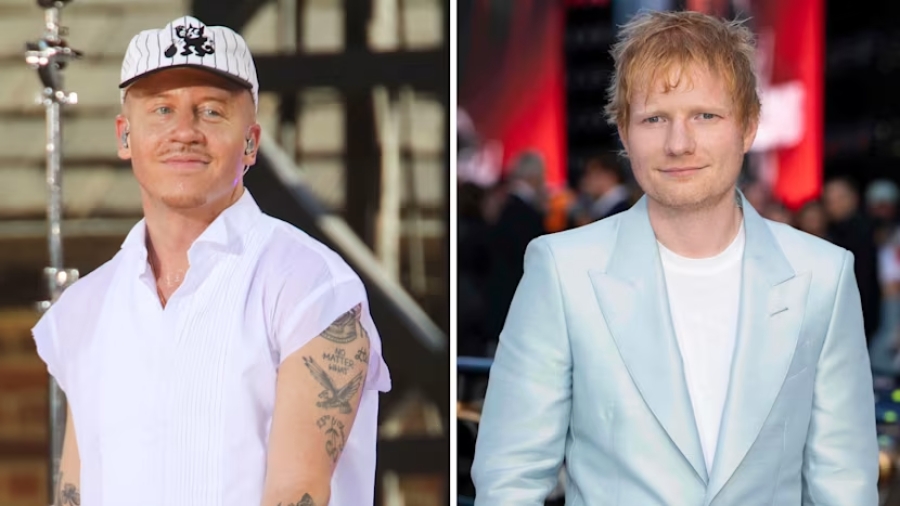
Support Acts Quit Ed Sheeran US Tour After Macklemore Dropped Over Pro-Palestine Comments
Ed Sheeran’s Loop Tour has entered an unexpected new chapter after every remaining support act withdrew from the U.S. and North American touring plans following the removal of Macklemore from the lineup.
The controversy began after Macklemore made pro-Palestinian comments during his September 4 and 5 performances at New Jersey’s MetLife Stadium. The rapper subsequently said that multiple stadiums objected to his participation and that he was removed from the tour after venue owners indicated they would not host concerts with him on the bill.
Sheeran has since said the decision was made by the tour promoter and venues rather than by him personally. Meanwhile, Finneas, Lukas Graham, Aaron Rowe and Sheeran’s touring band Beoga have all announced their departures, with the artists citing artistic freedom, solidarity with Macklemore and support for Palestinians in their statements.
The situation has turned what was expected to be a straightforward stadium tour into a wider discussion about music, political expression, venue power and the responsibilities of artists on major concert stages.
What Happened to Macklemore on the Ed Sheeran Tour?
Macklemore had joined Sheeran's Loop Tour as a supporting act, with the rapper scheduled to perform at eight of the remaining U.S. shows after his appearances at MetLife Stadium.
During his performances in New Jersey, Macklemore spoke publicly about Palestine and Gaza, including the phrase “Free Palestine.” He also performed his protest song “Hind’s Hall,” which was released in 2024 and addresses the Israel-Gaza conflict.
After the MetLife performances, opposition to Macklemore's participation intensified.
The Israeli-American Council launched a petition calling for him to be removed from the tour, while some critics accused his comments and previous public statements of crossing into antisemitism. Macklemore has rejected accusations that his criticism of Israel is antisemitic.
The controversy then moved from social media and public debate into the concert business itself.
According to tour promoter Messina Touring Group, multiple venues indicated that they would not allow concerts to take place with Macklemore on the lineup. The venues identified in reporting included Gillette Stadium, Lincoln Financial Field, Mercedes-Benz Stadium, Lucas Oil Stadium, Bank of America Stadium, AT&T Stadium, and Raymond James Stadium.
Why Was Macklemore Removed From the Tour?
There are several perspectives surrounding the decision, and the distinction between them is important.
Macklemore said that venue pressure was responsible for his removal. In his statement, he described conversations with Sheeran and alleged that Robert Kraft, owner of the New England Patriots and Gillette Stadium, helped persuade other stadium owners to oppose his participation.
Kraft subsequently confirmed that he had been involved in the decision concerning Macklemore's appearance at Gillette Stadium. He said the decision followed Macklemore's recent stage comments and what Kraft described as a broader history of antisemitic rhetoric and imagery that he believed had been hurtful to Jewish people. Kraft also said the decision was not intended to deny the suffering of Palestinians or their right to advocacy.
The tour promoter, meanwhile, said that several venues would not permit concerts with Macklemore included, and the promoter ultimately removed him from the remaining dates.
That distinction became central to Ed Sheeran's response.
Ed Sheeran Says Removing Macklemore Was Not His Decision
On September 15, Sheeran publicly addressed the controversy in a lengthy statement.
The singer said Macklemore had asked to join the tour and that he agreed because he respected him as an artist. Sheeran also said that, as with his other support acts, Macklemore had been allowed to perform his chosen set.
However, Sheeran said venues subsequently communicated that they would pull upcoming shows if Macklemore remained on the tour.
According to Sheeran, he spent the week attempting to find a solution between the promoter, venues, and other parties. Ultimately, he said the decision belonged to the promoter and venues.
“Macklemore coming off tour was the promoter’s decision; it was not mine,” Sheeran wrote, according to reporting on his statement.
Sheeran also explained that he did not want to turn his concerts into political forums.
He said he has personal views about the Israel-Palestine conflict but chooses not to express them publicly in the context of his shows. He described his concerts as spaces intended to bring people from different backgrounds together and said he wanted to maintain dialogue rather than close it down.
Finneas Withdraws From Ed Sheeran Tour
The fallout did not stop with Macklemore.
Finneas, the Grammy-winning artist and frequent collaborator of Billie Eilish, announced that he would withdraw from his upcoming dates connected to Sheeran's tour.
Finneas said artists should not be silenced when speaking about people they believe are oppressed. He also explicitly stated his support for Palestine and Palestinians.
His departure is particularly notable because his scheduled appearances were connected to the broader North and South American leg of Sheeran's touring plans rather than simply the immediate U.S. dates.
That means the consequences of the Macklemore controversy have extended beyond the stadium dates directly affected by the rapper's removal.
Lukas Graham Also Leaves the Tour
Danish band Lukas Graham also announced its withdrawal.
The group had been involved in plans to replace Macklemore on some of the remaining U.S. shows. Instead, the band chose to step away from the tour after the controversy escalated.
In its statement, Lukas Graham expressed gratitude toward Sheeran while describing the decision as difficult. The group also argued that financial power should not determine which voices are permitted to discuss human suffering.
This is an important element of the story because the artists leaving have not all framed their decisions as opposition to Sheeran personally.
Several have emphasized their respect for the singer while objecting to the circumstances surrounding Macklemore's removal.
Aaron Rowe and Beoga Join the Withdrawals
Irish singer Aaron Rowe also withdrew from the tour.
Rowe had been lined up as another replacement for Macklemore on the remaining U.S. dates. In explaining his decision, he referenced Ireland's historical experiences with colonialism, famine and occupation and said he could not stand by while artists were silenced.
Beoga, the Irish folk group that serves as part of Sheeran's touring band, also announced its departure.
The group described itself as committed to activism for Palestinian rights and said its decision was connected to its belief in speaking out on the issue.
With those announcements, the situation became much larger than a dispute involving one opening act.
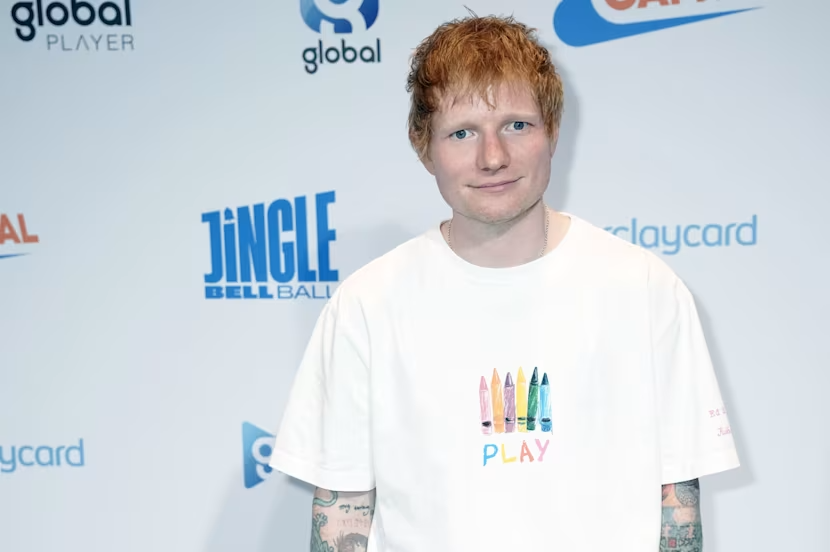
All of Sheeran's Remaining Support Acts Have Now Withdrawn
The collective effect is significant.
Finneas, Lukas Graham, Aaron Rowe and Beoga have all announced departures following Macklemore's removal. Reporting from multiple outlets describes them as the remaining opening acts and touring support connected to the affected shows.
The withdrawals also create practical questions for the remaining concerts.
Macklemore had been scheduled for eight of Sheeran's remaining ten U.S. performances. His removal was already expected to require changes to the concert lineup. The subsequent departures of replacement acts and Sheeran's touring band create another layer of logistical challenges for the tour.
The North American tour is currently scheduled to continue through November, including stadium performances later in the run.
The Debate Over Artists and Political Speech
At the heart of the controversy is a long-running question in the music business: How much political expression should artists be able to bring onto major concert stages?
For Macklemore, the answer has been clear. He has publicly supported Palestinians for years and has used his music and live performances to discuss the conflict.
He argued that performing in large American stadiums allowed him to speak to an enormous audience and that removing him because of those statements amounted to suppressing political expression.
Sheeran has taken a different approach.
Rather than publicly advocating for one side during his concerts, he has said he wants his shows to remain spaces where audiences from different backgrounds can attend without being drawn into political disputes. He has also said that his decision not to make public political declarations should not be interpreted as indifference to the conflict.
The different approaches demonstrate how artists can share the same tour while having very different ideas about what a concert platform should represent.
Why the Controversy Matters to the Music Industry
The Ed Sheeran and Macklemore dispute also highlights how much power stadiums, promoters and other commercial partners have over live performances.
A major stadium concert involves far more than the artist and audience. Promoters, venue operators, security teams, sponsors, local authorities, touring crews and dozens of suppliers can all have financial and operational interests in a show.
When an artist's political statements create controversy, those stakeholders can become part of the decision-making process.
In this case, the promoter said venues would not permit concerts featuring Macklemore, while Sheeran said he attempted to mediate but ultimately could not change the decision.
That raises broader questions about how much control artists have over their own performances once they become part of a large commercial tour.
Macklemore's “Hind's Hall” Became Central to the Dispute
Another important part of the story is Macklemore's music.
His 2024 track “Hind's Hall” became closely associated with his public advocacy for Palestinians. The song was named after Hind Rajab, a six-year-old Palestinian girl whose death during the Gaza conflict became widely reported.
During his MetLife performances with Sheeran, Macklemore performed the song while incorporating imagery connected to the destruction in Gaza.
That transformed the appearance from a conventional opening set into a highly political performance, increasing the attention surrounding his participation in the tour.
It also illustrates how modern concerts can function simultaneously as entertainment, cultural events, and platforms for activism.
What Happens to the Ed Sheeran Loop Tour Now?
For now, the tour continues, but its supporting lineup has changed significantly.
Sheeran has maintained that he did not personally decide to remove Macklemore and that he tried to find a compromise. The singer has also said he respects Macklemore's commitment to his beliefs despite their disagreement over how those beliefs should be expressed within the tour.
The departing artists, meanwhile, have made their own decisions based on their stated views about artistic freedom and Palestine.
The immediate question for fans is therefore logistical: what will the remaining concerts look like without the original support lineup and touring band?
The longer-term question is broader: whether the incident will influence how major concert promoters, stadium operators and artists approach political speech during future tours.
Music, Politics and the Future of Live Performance
The Macklemore controversy has quickly developed from a disagreement over one artist's stage comments into a much larger conversation about who controls the modern concert stage.
Macklemore has defended his right to speak publicly about Palestine. Ed Sheeran has defended his preference for maintaining politically neutral concerts. Venue operators have exercised their commercial and operational authority over who can perform in their buildings, while other musicians have chosen to leave the tour in solidarity with Macklemore.
Those positions are now playing out in public as Sheeran's Loop Tour continues.
Whatever happens next, the episode demonstrates how closely music, politics, activism and the live entertainment business can intersect when artists perform for tens of thousands of people.
For the music industry, it also provides another example of the increasingly complicated balance between artistic expression, commercial relationships, venue policies and the expectations of global audiences.
