
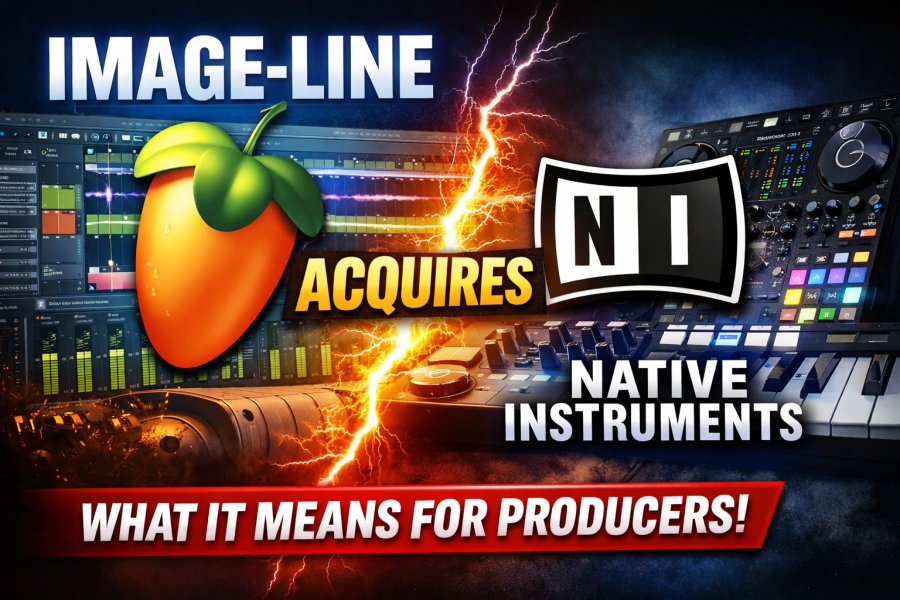
Image-Line Acquires Native Instruments: What This Means for the Future of Music Production
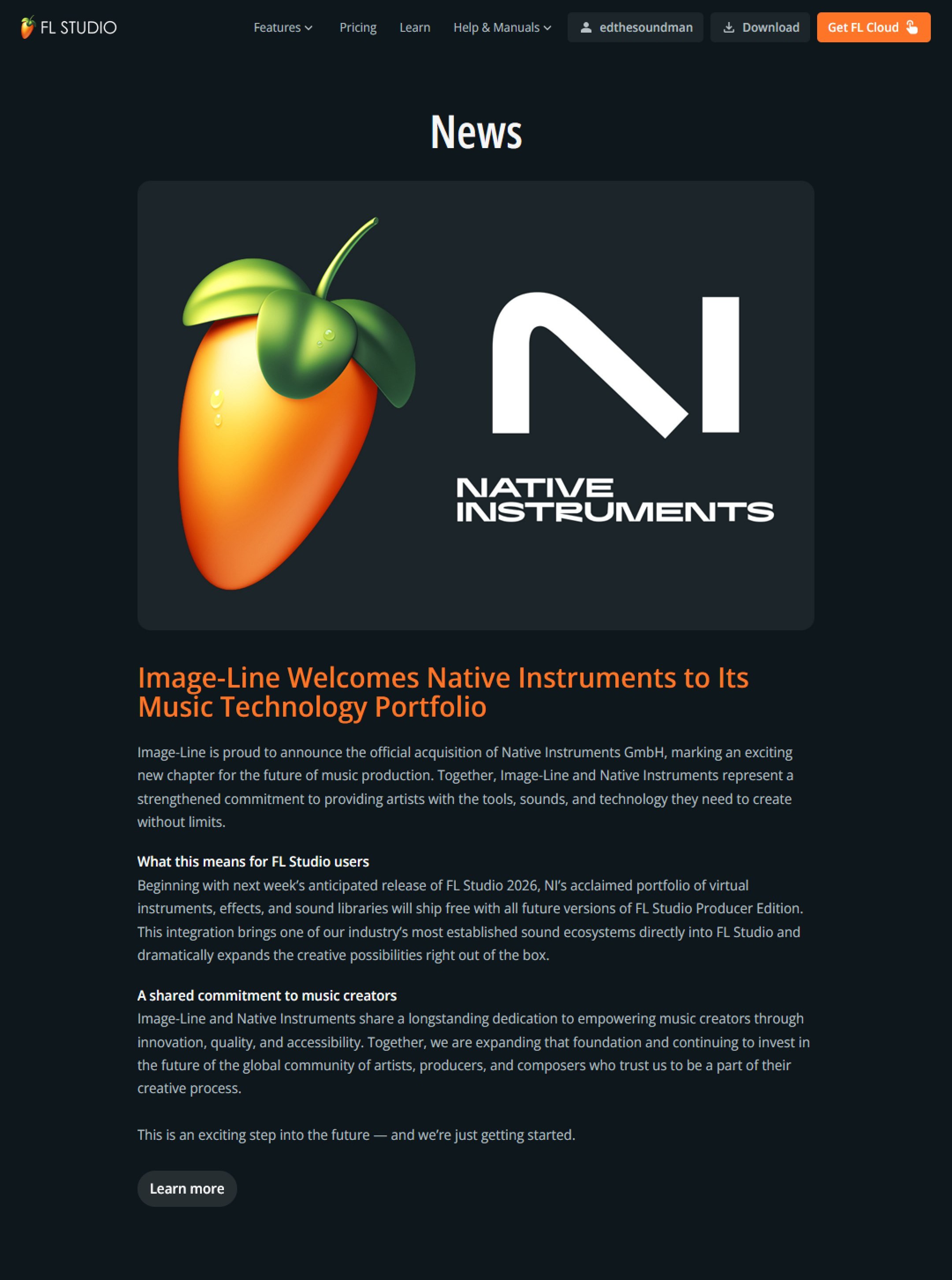
The music production industry has just witnessed a major shake-up. In a move that could redefine the landscape of digital audio tools, Image-Line — the creators of FL Studio — has officially acquired Native Instruments, one of the most influential brands in professional music production.
This acquisition is more than just a business deal — it signals a powerful convergence of two industry giants, each with a massive global user base and a legacy of innovation. But what does this mean for producers, DJs, composers, and the future of music software?
Let’s break it all down.
A Landmark Acquisition in the Music Tech Industry
The acquisition of Native Instruments by Image-Line is one of the most significant developments in music technology in recent years. Both companies have shaped modern music production in different but complementary ways.
- Image-Line revolutionized beat-making and accessibility with FL Studio.
- Native Instruments set the gold standard for professional-grade instruments, effects, and DJ tools.
By joining forces, they are effectively merging two worlds: ease-of-use and high-end sonic capability.
This move positions Image-Line as an even stronger competitor against companies like Ableton, Steinberg, and Apple’s Logic Pro ecosystem.
Who Are Image-Line?
Founded in Belgium, Image-Line is best known for its flagship DAW, FL Studio — one of the most widely used digital audio workstations in the world.
Key Contributions:
- Lifetime free updates (a game-changer in the industry)
- Beginner-friendly workflow
- Strong presence in hip-hop, EDM, and trap production
- Massive plugin ecosystem (e.g., Harmor, Sytrus, FLEX)
FL Studio has become synonymous with modern music production, used by global artists and bedroom producers alike.
Who Are Native Instruments?
Native Instruments, based in Berlin, has been a pioneer in music technology for decades.
Key Products:
- Kontakt – Industry-leading sampler
- Komplete – Comprehensive bundle of instruments and effects
- Massive / Massive X – Legendary synths
- Traktor – Professional DJ software
- Reaktor – Modular sound design platform
Their tools are staples in film scoring, sound design, and professional studio environments.
Why This Acquisition Matters
This is not just a financial move — it’s a strategic alignment of strengths.
1. Bridging Beginner and Professional Worlds
Image-Line excels at accessibility, while Native Instruments dominates the high-end professional space.
What this means:
- Beginners could gain easier access to advanced tools
- Professionals might benefit from faster, more intuitive workflows
2. Integration Possibilities
Imagine a future where:
- Kontakt is fully integrated inside FL Studio
- Native Instruments plugins come pre-optimized for FL Studio
- Seamless drag-and-drop workflows between ecosystems
This could eliminate many of the friction points producers face today.
3. Expansion of Sound Libraries
Native Instruments is known for its world-class sample libraries and instruments.
With Image-Line’s reach, we could see:
- More affordable access to premium sounds
- Expanded presets within FL Studio
- New hybrid instruments combining both companies’ technologies
What Happens to Existing Products?
One of the biggest concerns for users is whether existing tools will change — or worse, disappear.
Good News: Stability Is Likely
Both companies have strong, loyal communities. It would be risky to disrupt that.
Expected outcomes:
- Continued support for Native Instruments products
- No immediate discontinuation of major tools like Kontakt or Komplete
- Gradual integration rather than sudden overhaul
Impact on FL Studio Users
For FL Studio users, this acquisition could be a dream scenario.
Potential Benefits:
- Deeper integration with Native Instruments plugins
- Better preset management and browsing
- Enhanced sound design capabilities
- More professional-grade tools bundled with FL Studio
This could elevate FL Studio from a “beat-making DAW” to a complete professional production powerhouse.
Impact on Native Instruments Users
Native Instruments users may also see significant advantages.
Potential Benefits:
- Improved user experience and interface modernization
- Better DAW compatibility (especially with FL Studio)
- Faster updates and innovation cycles
- Expanded audience and community
What About Competitors?
This acquisition will undoubtedly send shockwaves across the industry.
Key Competitors Affected:
- Ableton (Live)
- Steinberg (Cubase)
- Apple (Logic Pro)
- PreSonus (Studio One)
These companies may need to respond with:
- New features
- Strategic partnerships
- Pricing adjustments
- Enhanced ecosystems
The competition just got more intense — and that’s great news for users.
The Future of Music Production Software
This deal hints at a broader trend: consolidation and ecosystem building.
Instead of standalone tools, companies are moving toward all-in-one production environments.
What We Might See Next:
1. Unified Workflows
A single platform where:
- Sound design
- Mixing
- Mastering
- DJing
all coexist seamlessly
2. AI-Powered Tools
With combined resources, expect:
- Smarter presets
- AI-assisted mixing and mastering
- Intelligent sound recommendations
3. Subscription or Bundle Evolution
We may see:
- New pricing models
- Cross-platform bundles combining FL Studio + Komplete
Community Reactions
The music production community has responded with a mix of excitement and curiosity.
Positive Reactions:
- “This could be revolutionary.”
- “Finally, pro tools meet beginner-friendly workflow.”
Concerns:
- Fear of price increases
- Potential changes to beloved workflows
- Uncertainty about long-term direction
Overall, the sentiment leans optimistic — especially if both companies maintain their core philosophies.
Challenges Ahead
While the acquisition is promising, it’s not without challenges.
1. Integration Complexity
Merging two large ecosystems is technically demanding.
2. Brand Identity
Both brands have strong identities — balancing them will be crucial.
3. User Expectations
The community will expect rapid improvements, which may take time.
What This Means for You as a Producer
Whether you’re a beginner or a seasoned professional, this acquisition could impact your workflow.
If You Use FL Studio:
- Expect more powerful tools
- Potential access to high-end sound libraries
- Improved production capabilities
If You Use Native Instruments:
- Likely improvements in usability
- Stronger DAW integration
- Continued innovation
If You Use Both:
You’re in the best position — this could streamline your entire workflow.
Strategic Vision: A New Industry Leader?
With this move, Image-Line is no longer just a DAW developer — it’s becoming a full-scale music technology powerhouse.
Combining:
- FL Studio’s massive user base
- Native Instruments’ premium tools
- Global reach and innovation
They could redefine how music is created, produced, and performed.
Final Thoughts
The acquisition of Native Instruments by Image-Line marks a new era in music production.
It’s a bold move that could:
- Democratize high-end music tools
- Simplify complex workflows
- Accelerate innovation across the industry
While there are still many unknowns, one thing is clear:
The future of music production just got a lot more exciting.
